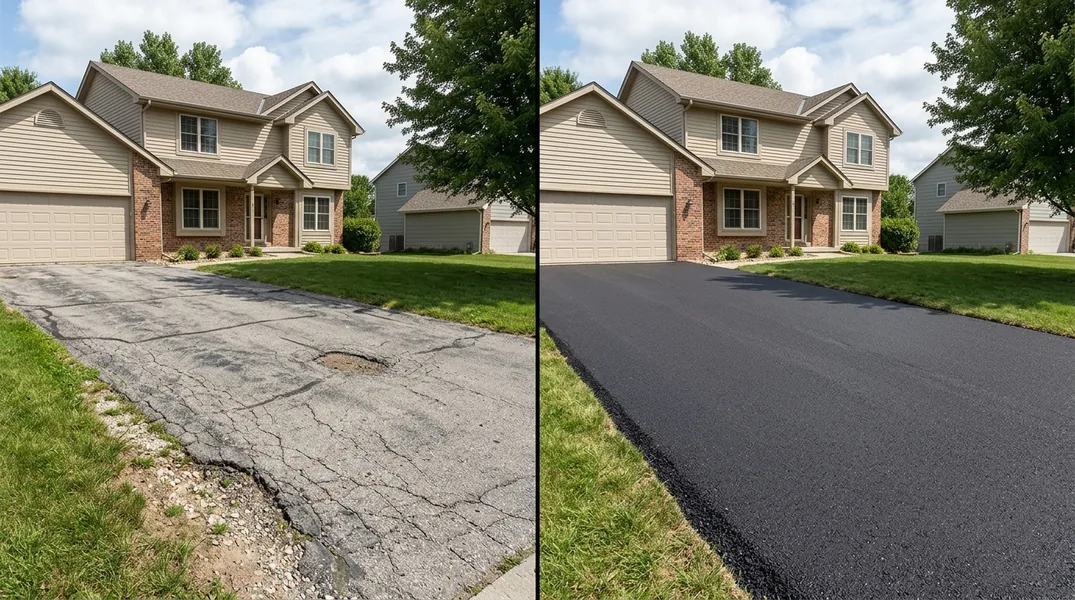
Signs Your Driveway Needs Repair vs. Replacement
One of the most common questions homeowners in Omaha ask is whether their aging driveway can be saved with Driveway Repair or if it needs a complete replacement. The answer depends on the extent of the damage, the age of your asphalt, and your long-term budget. Understanding the difference between these two approaches will help you make an informed decision about your property.
Minor damage like small cracks, isolated potholes, or surface wear can usually be addressed with targeted repairs. If your driveway is relatively young (under 15 years old) and the damage is limited to less than 30 percent of the surface area, repair is often the most cost-effective solution. However, if you're seeing widespread cracking, multiple large potholes, significant rutting, or alligator cracking (a web-like pattern of interconnected cracks), your driveway may be approaching the end of its lifespan. In these cases, Asphalt Driveway Paving & Installation or Asphalt Resurfacing & Overlay becomes the more practical choice.
How Long Does Asphalt Take to Cure and When Can You Drive on It
If you've decided to move forward with a new driveway or resurfacing project, understanding how long for asphalt to cure is essential for planning your schedule. This is one of the most frequently asked questions we receive at Omaha Asphalt Paving, and the answer matters more than many homeowners realize. The curing process affects not only when you can use your driveway but also the long-term durability of your investment.
In general, new asphalt reaches initial set within 24 to 48 hours under normal weather conditions. However, how long before you can drive on new asphalt safely depends on several factors, including air temperature, humidity, and asphalt thickness. During warm weather (above 70 degrees Fahrenheit), your driveway will cure faster than during cooler months. Most professional paving contractors recommend waiting at least 48 hours before driving on new asphalt, though some homeowners can resume light vehicle traffic after 24 hours if conditions are ideal. Heavy vehicles, RVs, or concentrated weight should not be placed on the driveway for at least 7 days to ensure the asphalt has fully cured and bonded properly to the base layer.
It's worth noting that asphalt continues to cure and harden for several weeks after initial placement. The surface may feel soft or slightly sticky during the first few days, especially in hot weather. This is completely normal and does not mean the installation was done incorrectly. Avoid parking in the same spot for extended periods during the first week, as concentrated weight can create indentations. If you have questions about your specific project timeline, the team at Omaha Asphalt Paving can provide detailed guidance based on current weather conditions and your driveway's specifications.
New Asphalt Driveway Care: Essential Steps for Long-Term Protection
Once your new asphalt driveway has fully cured, the way you maintain it over the next few years will significantly impact its lifespan and appearance. New asphalt driveway care begins immediately after installation and should continue throughout the life of your pavement. Many homeowners are surprised to learn that the first few months are critical for protecting their investment from premature deterioration.
During the first year, avoid using harsh chemicals, excessive salt, or abrasive cleaning methods on your new driveway. Keep the surface clean by sweeping away debris regularly and rinsing with a garden hose when needed. Prevent fuel, oil, and grease spills from sitting on the surface, as these substances can soften asphalt and cause permanent staining or damage. If you do spill automotive fluids, clean them up promptly with absorbent materials like cat litter or specialized asphalt cleaners. Additionally, be mindful of heavy loads or concentrated weight during the first year, as the asphalt is still gaining full strength.
One of the most important aspects of new asphalt driveway care is establishing a regular maintenance schedule. This includes periodic inspections for cracks, proper drainage to prevent water pooling, and timely repairs when minor issues appear. By addressing small problems early, you can prevent them from developing into larger, more expensive repairs down the road. If you're uncertain about the best maintenance approach for your specific driveway, don't hesitate to reach out to Omaha Asphalt Paving for professional guidance.
How Often to Seal Driveway: Protecting Your Asphalt Investment
Seal coating is one of the most effective ways to extend the life of your asphalt driveway, yet many homeowners are unsure about how often to seal driveway surfaces. The answer depends on your climate, traffic volume, and the current condition of your pavement. In Omaha, where we experience freeze-thaw cycles and significant temperature fluctuations throughout the year, seal coating becomes even more important for protecting your investment.
Most experts recommend seal coating your driveway every 2 to 3 years for optimal protection. However, if your driveway experiences heavy traffic or is exposed to harsh weather conditions, you may want to seal it every 1 to 2 years instead. The first seal coat should typically be applied 6 to 12 months after your new asphalt is installed, once the surface has fully cured and any minor settling has occurred. This initial seal coat creates a protective barrier against UV rays, water infiltration, and chemical damage, all of which can significantly accelerate asphalt deterioration.
Seal coating works by filling small pores in the asphalt surface and creating a waterproof layer that prevents moisture from penetrating the pavement structure. Water is one of the primary enemies of asphalt, as it can seep beneath the surface and cause the base layer to weaken, leading to cracking and pothole formation. By maintaining a regular seal coating schedule, you can reduce the risk of major damage and keep your driveway looking fresh and well-maintained. If you're unsure whether your driveway is due for seal coating, our team can assess its condition and recommend the best timing for your specific situation. Contact Omaha Asphalt Paving at (402) 807-2119 for a professional evaluation.
Understanding the Difference Between Repair and Resurfacing
Pothole Repair & Asphalt Patching and full resurfacing are two distinct approaches to addressing driveway damage, and choosing between them requires understanding what each option entails. Pothole and crack repair involves filling specific damaged areas with asphalt patch material, which is ideal for isolated problems. This approach is relatively quick and affordable, making it an excellent choice for homeowners dealing with a few problem spots on an otherwise sound driveway. The repair material is compacted into the damaged area and then sealed, restoring functionality and appearance to that section of pavement.
Resurfacing, on the other hand, involves applying a new layer of asphalt over the existing pavement structure. This approach is best suited for driveways that show signs of widespread wear but still have a solid base layer underneath. Asphalt Resurfacing & Overlay can extend your driveway's life by 8 to 15 years, depending on maintenance and traffic conditions. It's more expensive than spot repairs but significantly less costly than complete replacement, making it an attractive middle-ground option for many homeowners.
The choice between repair and resurfacing ultimately comes down to the overall condition of your driveway and your budget. If you're uncertain which approach is right for your situation, we recommend getting a free estimate from a qualified local contractor. They can assess your driveway's condition, explain your options, and help you understand the long-term value of each approach.
Getting Professional Help: When to Call Omaha Asphalt Paving
Deciding whether to repair or replace your driveway is an important decision that affects both your home's curb appeal and your wallet. If you're a homeowner in Omaha or the surrounding areas, professional guidance can help you make the right choice for your specific situation. The team at Omaha Asphalt Paving has years of experience evaluating driveways and recommending solutions that provide the best value and longevity.
Whether you need minor repairs, resurfacing, or a complete new driveway installation, we're here to help. We understand the unique challenges that Omaha driveways face due to our climate, and we use proven techniques and quality materials to ensure your pavement lasts for years to come. Our team can also answer any questions you have about pricing, timelines, and maintenance requirements for your specific project.
Ready to get started? Contact Omaha Asphalt Paving today at (402) 807-2119 or visit our website at https://omaha-asphalt.com to request a free estimate. We'll assess your driveway's condition, discuss your options, and provide a transparent quote with no hidden fees. Let us help you make the best decision for your home's driveway.
Looking for a professional asphalt paving contractor in Omaha? Omaha Asphalt Paving responds fast for all your asphalt paving needs.
Get a Free Quote